

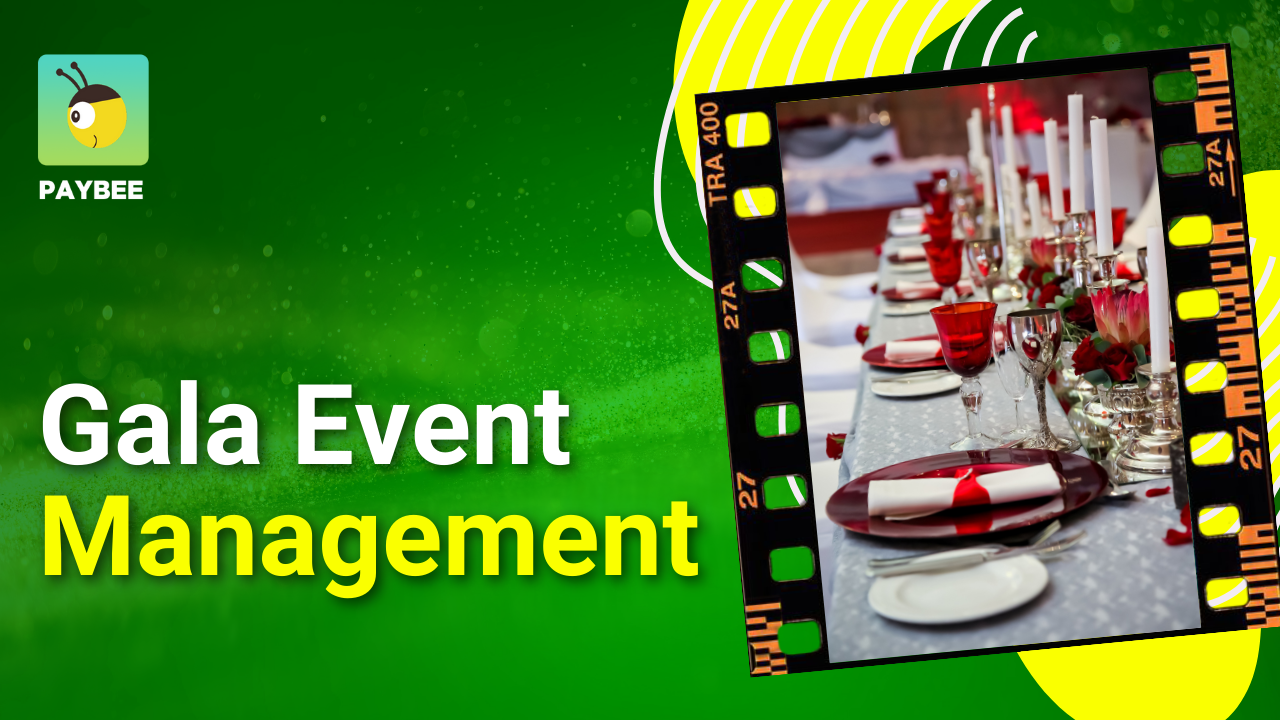

Gala Event Management: Turning One Night Into Lasting Impact
A gala event brings people together around work that already matters to them. It gives guests a chance to slow down, enjoy a night out, and reconnect with a mission they care about. When the planning is steady, the evening feels comfortable from the moment people walk in. Guests know where to go, what’s happening next, and how their presence supports the cause.
For nonprofits and corporate sponsors, a well-planned gala does more than raise funds. It helps build stronger relationships. A clear theme, a comfortable layout, and a program with an easy pace make it simpler for guests to talk, listen, and take part in the night. Most teams depend on a mix of staff and volunteers, so having clean, simple systems in place makes a noticeable difference. Tools like Paybee help with that by keeping ticketing, auctions, and guest flow all in one place.
In this guide, you’ll find a straightforward look at the key components of gala event management, from the early planning conversations to what happens after the event is over. The goal is to help your team create a night that feels organized and connected to the mission from start to finish.
What Event Management Looks Like at a Gala
Gala event management covers every choice and detail, from the first planning meeting to the follow-up after guests head home. It treats the event as a full experience with a clear beginning, middle, and end.
A gala is more than a standard fundraising event.
It brings together celebration, hospitality, and purpose in a way that feels thoughtful. Guests expect a polished venue, a smooth program, and a few moments that feel personal. You’re often hosting major donors, corporate partners, and community supporters, which means timing and coordination matter even more.
Most teams keep a few core elements front and center:
• A theme that’s directly tied to the mission
• A venue layout that encourages movement and conversation
• Programming that keeps people’s attention without running too long
• Entertainment that fits the tone of the night
• Volunteers who understand their roles and timing
How Planning Supports a Successful Gala
Strategic planning gives the event a clear structure. It turns a long list of fundraising ideas into a plan and helps your team focus on both your goals and the guest experience.
A clear plan helps people notice your work.
When a fundraising gala feels organized and welcoming, it draws in longtime supporters and new guests who want to learn more. A simple theme, thoughtful event design, and comfortable pacing show your team pays attention to the details that matter.
Good planning strengthens donor relationships.
A smooth check-in, a balanced program, and warm hospitality create room for real conversations. People remember how the night felt, and that impression supports your relationship with them the rest of the year.
A steady plan improves fundraising results.
When the schedule is predictable and calm, your team can stay focused on the moments that inspire people to donate. Short appeals, auctions, and pledge moments land better when the night hits the right kind of timing.
Sponsors and staff benefit as well.
Clear communication helps sponsors know what to expect, and teams experience less last-minute pressure. Volunteers understand their roles, the program stays on-track, and guests talk about the mission instead of logistical hiccups.
What Every Well-Run Gala Needs
A successful gala begins with a clear sense of purpose. When everyone understands what the event is meant to accomplish, planning becomes easier for your team, your vendors, and your volunteers.
Start with your objectives and your theme.
Your goals guide every major decision. A theme connected to your mission helps direct decor, programming, and guest expectations.
Choose a venue that supports movement.
A comfortable layout helps guests move from check-in to reception to dinner without feeling crowded. Space for conversation, a quieter area for donors who prefer it, and a stage with good visibility all support a better guest experience.
Build a thoughtful guest list and send clear invitations.
Your guest list should work with your mission and fundraising goals. Gala invitations should cover attire, arrival times, parking, and a simple outline of the evening. Guests appreciate knowing what to expect.
Plan entertainment and programming with intention.
A balanced program keeps energy steady. A short welcome, one mission moment, one entertainment highlight, and a simple fundraising ask often work best. Let the theme guide your choices.
Secure sponsors and finalize your fundraising pieces early.
This might include a live auction, silent auction, pledge moment, or another giving activity. Choosing these early gives you time to prepare materials and train volunteers.
Most teams keep a few things in mind as the plan comes together:
• Goals that everyone can explain easily
• A theme that feels connected to the mission
• A layout that avoids bottlenecks
• A program built around only the moments that matter
• Volunteers who understand their timing and who to check in with
How to Plan a Gala Event
Planning a gala feels easier when you approach it in pieces instead of trying to solve everything at once. A relaxed pace gives your team room to think, adjust, and keep the night moving in a steady direction.
- A good place to begin is with your fundraising goal. Choose a number that feels right for your organization and talk through why it matters. Once that part is settled, decisions about the venue, program style, and overall tone fall into place more naturally.
- From there, put together a planning calendar that feels realistic. Most teams work six to twelve months ahead, but the exact timing depends on the size of your event. Early on, you’re choosing a date, confirming the venue, and exploring theme ideas. As the event gets closer, you shift into program details, guest outreach, and sponsor conversations.
- A small committee can keep everything moving smoothly. You don’t need a large group, but you do need an effective one. A handful of people with clear responsibilities is usually enough. Someone might handle sponsorships, someone else takes marketing or decor, and another person coordinates guest communication. Volunteers often join in later to help with the final stretch.
- It helps to lock down your venue and key vendors early. Good caterers, A/V teams, and popular spaces book quickly, especially during the holidays. Once they are confirmed, the rest of the plan feels steadier because you are working with real details instead of doing guesswork.
- Ticket sales usually open once the basics are in place. When guests know where the event is, what to wear, and how the night will feel, they decide faster. Early numbers also help you sort out seating, staffing, and food counts without guessing.
Budgeting for a Successful Gala
Step 1: List your main expenses
Start with a simple list: venue, catering, decor, entertainment, A/V, printing, staffing, and anything unique to your event.
Step 2: Build a working budget before signing anything
Add rough numbers, then replace them with actual quotes. Update the file each time a quote changes. This keeps surprises away.
Step 3: Decide where your revenue will come from
Most galas use a mix of:
• Ticket sales
• Sponsorships
• Auctions
• A short appeal or pledge moment
• In-kind support
Tools like Paybee make this easy by pulling ticketing, auction totals, and pledges together in real time.
Step 4: Create sponsor options that feel natural
Offer levels of sponsor packets that match your audience. Keep benefits simple, like logo placement or hosting a table.
Step 5: Plan your fundraising moments inside the program
Choose when giving will happen and place these moments where guests are already settled and paying attention.
Step 6: Keep a few habits in place
•Stay within the expense limit you set
• Look at the numbers from past events before forecasting
• Offer sponsor levels that feel right for your crowd
• Spread out your fundraising moments instead of stacking them
Promotion That Works
Marketing is the first impression your gala makes. Your outreach sets the tone long before guests arrive. A steady rhythm helps people plan, learn the theme, and feel curious about what’s ahead.
Most teams start with a simple schedule: a save-the-date, a formal invitation, and a few reminders. This pacing keeps the event visible without overwhelming anyone.
Your strongest outreach usually comes from the places your audience already checks. Email, social media, and your website do most of the work. Behind-the-scenes photos, small notes about the theme, or quick updates from your team help keep interest from waning. And let’s not forget traditional marketing maneuvers. Local newsletters and community outlets add an extra layer of visibility when your mission connects to their readers.
A wide reach often comes from people close to the event. When sponsors, board members, and partners share a simple graphic or ticket link, they reach groups you might miss. One share from the right person often gets more traction than several of your own posts.
Consistent visuals also matter. When your emails, posts, and invitations have the same look, the event feels familiar early on.
When it comes to marketing it’s best to step back and ask yourself:
• Are updates going out at a steady pace?
• Are email, social posts, and partner shares balanced?
• Does the messaging reflect the theme and purpose?
• Have early-bird details been clear enough?
Keeping the Night Running Smoothly
Event-day logistics influence the overall tone. The planning may take months, but the way your team handles setup, vendor arrivals, and guest flow helps define the guest experience.
A simple run-of-show keeps everyone oriented. It gives your A/V crew, stage team, and staff a clear sense of timing.
Vendors work best when directed right away. A quick check-in and brief walkthrough help them settle in and avoid simple issues later.
Staff and volunteers need clear roles. Someone greeting at the entrance, someone near the bar, someone overseeing the silent auction, and a few floaters usually cover most needs.
Unexpected situations happen at every gala. A mic may need swapping or a table may need adjusting. These moments are normal. A team that knows who handles what can resolve issues quietly while the event keeps moving.
What Guests Remember Most
Guests rarely talk about decor details or the choice of dessert the next day. What stays with them is how comfortable the night felt.
A warm welcome matters. Simple signs at the entrance, a friendly greeting, and an easy check-in help guests settle in.
The room should feel easy to navigate. Good lighting, clear sightlines, and a thoughtful seating plan supports a calmer atmosphere for everyone.
Keep the program light. Short, clear moments tend to hold attention better than long segments. A brief story or a short performance often lands well.
Small touches carry weight. A personal story or a host who connects with the room adds meaning in a way that the smaller details cannot.
Follow up after the event.
A thank-you message, shared photos, or a quick update helps maintain the connection.
What to Review After the Event
Once the gala ends, a quick review helps you understand what worked well and what needs attention next time.
✅ Start by talking with people who experienced the night from different angles. Guests, volunteers, sponsors, and staff each notice different things. A few short questions often highlight the most important patterns.
✅ Review the numbers. Revenue totals, sponsorship levels, auction results, ticket sales, and actual expenses give you a clear picture of performance.
✅ Look at guest and donor behavior. Who attended, who returned, and who increased their support? These patterns shape your follow-up and planning for the next year.
✅ Close the loop. Send a thank-you, share photos, or offer a short recap of what the event made possible. Sponsors often appreciate a brief summary of their involvement.
Common Gala Challenges
Even well-planned galas run into a few predictable bumps. Most are small and manageable if caught early enough.
- Budgets shift. Prices change and quotes adjust. Keeping your numbers current helps prevent surprises.
- Vendor changes happen. A timeline may shift or someone may cancel. Having a couple of backup contacts keeps things calm.
- Attendance fluctuates. Early RSVPs look one way, the week-of looks another. Timely reminders and simple ticketing help.
- Technical issues are normal. A mic or slide might need a quick fix. A short rehearsal usually catches the big ones.
What’s New in Gala Events
Technology, but quieter
Digital tools are becoming more seamless. Check-in is faster, bidding smoother, and mobile donations common.
Pro tip: Place a small tablet near the bar so guests can bid or donate without leaving their conversations.
Practical sustainability
Events are cutting waste in ways that are easy to maintain.
Pro tip: Replace printed programs with one clean schedule board near the entrance.
Interactive moments
Guests enjoy small opportunities to participate.
Pro tip: Create a simple “leave a message” board tied to your mission.
Real-time updates
Short updates or videos recorded the same day often feel more genuine than polished presentations.
Pro tip: Film a quick 20-second clip the afternoon of the event.
Subtle mission cues
Small visuals support the mission without overwhelming the room.
Pro tip: Use framed program photos along the reception path.
Conclusion: Why Planning Matters
A gala makes its impression long before fundraising totals are tallied. Guests remember how comfortable the night felt, how smoothly things moved, and how clearly the mission came through. When planning is steady and the team understands the purpose behind each choice, the evening feels easy rather than staged.
Thoughtful management also lightens the load for staff and volunteers. When the details are organized, people can focus on hospitality and conversation. A simple plan, a program that respects people’s time, and a room that’s easy to move through help everyone feel more relaxed. Tools like Paybee keep ticketing, bidding, and pacing in one place, which frees your team to be present with guests.
Over time, each gala quietly teaches you what really matters. The lessons that linger are almost always the gentle ones:
- Certain paces and rhythms just let the night breathe
- A single honest story from the heart connects people more than anything else
- The smallest thoughtful change can make the whole evening feel easier
At its core, a gala gives people a chance to feel connected to the work you do. They meet others who care about the same cause, share a meal, and hear something meaningful. When the night is managed with care, guests leave with a sense of belonging that lasts long after the evening ends.
FAQs
Guests, committees, and sponsors usually ask the same handful of questions once a gala gets moving. Simple answers help everyone feel better prepared.
How far in advance should I plan a gala event?
Most teams start six to twelve months ahead. Early planning offers better venue choices, smoother sponsor outreach, and a manageable pace.
What is the best way to create a gala budget?
Start with the major categories: venue, catering, decor, entertainment, and A/V. Gather real quotes, then match them to expected revenue from ticket sales, sponsorships, and fundraising moments.
How do I find sponsors for my gala?
Begin with people and businesses already connected to your work. A short, friendly message and clear sponsor options often open the door.
What are the key elements of a successful gala?
A smooth program, a room that’s easy to navigate, and a mission moment that feels genuine usually anchor the night.
How do I measure success?
Look at both numbers and responses. Revenue and attendance matter, but so do guest comments, returning donors, and the overall energy in the room.
Start Fundraising
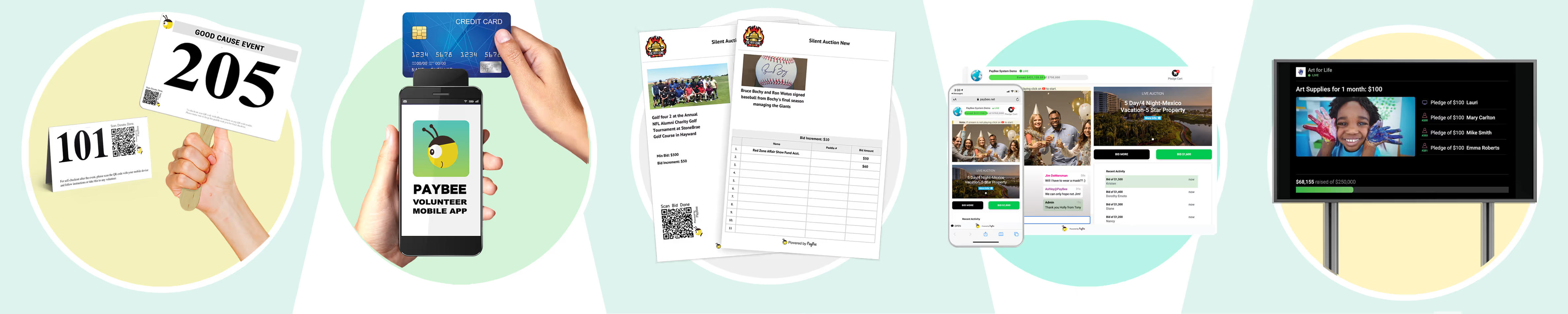 Paybee
Paybee is the leader in nonprofit fundraising events with tools for virtual, hybrid and in-person events.