


Fun Run Ideas for Fundraising: 20 Creative Themes That Get Everyone Moving
Introduction: Why Fun Runs Actually Work
Fun runs are one of those fundraisers that just work. They’re easy to put together, they don’t cost much, and people usually have a good time from the moment they show up. Whether it’s a school fundraiser, a community event, or something in between, the idea stays the same: get people moving, keep it light, and raise money for something that matters.
What makes fun runs different is who they’re built for. You don’t need runners. Families can walk. Kids can jog. Volunteers can hang out along the route with signs and snacks. No one’s racing the clock or chasing a personal best. The event works because it feels open and welcoming, not competitive.
That atmosphere is the strategy. When things feel low-pressure, people tend to sign up more quickly. When the day feels friendly, people stick around. And when it’s genuinely enjoyable, people come back the next year and bring someone with them.
Hybrid participation is part of that now. A lot of supporters enjoy the option of joining from home, walking or running on their own schedule. Peer-to-peer fundraising tools, like those from Paybee, let everyone raise money the same way, whether they’re on-site or not. Once those personal pages start getting shared in group chats or on social media, donations often follow without much extra effort.
This guide focuses on what actually helps:
- Themes that make people want to sign up
- Simple planning choices that prevent headaches
- 2025 updates people now expect
- A real-world look at what can go wrong and how to handle it
What Are Fun Run Ideas for Fundraising?
Fun run ideas are exactly what they sound like: themed, low-stress fundraising events where people walk or jog short routes to raise money. Most fun runs land somewhere between one and five kilometers. Long enough to feel like you did something. Short enough that no one regrets signing up halfway through.
The theme is the hook. Color stations, glow gear, music, costumes, or funny signs turn a walk into an event. When people can picture the day, signups usually come faster.
What separates fun runs from timed 5Ks:
- No pressure to run the whole route
- No rankings, no race-day intensity, no training required
- More cheering, more photos, and more shared moments
- Better turnout across age groups, fitness levels, and schedules
Accessibility matters, and it doesn’t have to be complicated. Shorter route options, flatter paths, and a few places to sit and cheer make a difference. The goal isn’t a perfect race experience. It’s a day people feel good about joining.
The Real Reasons Fun Runs Succeed
Fun runs aren’t just easy to organize. They get real results. They bring people together and make fundraising feel less like a task and more like a day people want to be part of.
They feel personal. Friends and families show up together. People walk side by side. They cheer each other on. What sticks isn’t the distance. It’s the funny signs, the group photos, and the kid who sprints the last stretch like it’s a championship race.
They hit a sweet spot. Fun runs let people say, “We did something healthy,” without trying too hard. Most participants aren’t chasing records. They want to support a cause, enjoy the day, and leave with a few good photos.
Costs stay manageable. Many fun runs rely on volunteers and basic supplies. Cones, signs, water tables, and a route that’s easy to follow. Add registration fees, donations, and maybe a sponsor or two, and most events raise more than enough to cover costs.
Pledges grow naturally. When participants share their personal fundraising pages in group chats or on social media, donations often come in from friends and family without much extra prompting. Using one platform to handle registration and payments keeps everything in one place and saves organizers from chasing details later.
Visibility builds itself. People post photos from fun runs. Costumes, color stations, glow gear, finish-line shots. Those posts bring in extra donations and make next year’s promotion easier because you already have proof the event worked.
Fun runs aren’t just fun. They’re practical.
Top 20 Fun Run Themes That Actually Get People to Show Up
Picking the right theme is what turns a run into something people talk about and sign up for. A fun theme makes the event easier to promote, easier to picture, and more fun to join.
Below are 20 fun run ideas that schools, nonprofits, and community groups use because they consistently get turnout. Pick one, tweak it for your crowd, and "run” with it.
1. Color Run
Participants get hit with colored powder at checkpoints, and the photos do half your marketing for you. The energy stays high, and spectators usually have just as much fun watching from the sidelines. Spread stations out so the color moments feel like mini events instead of one big cloud. A quick reminder to wear old clothes helps everyone show up prepared.
2. Obstacle Course Run
Think mini hurdles, cones, tunnels, balance beams, and simple crawl-through sections. This breaks up the route and gives participants something to focus on besides how much is left to go. Adults like it because it feels like an activity, not just a walk tied to a donation ask. Keep obstacles optional and clearly marked so everyone can participate safely and comfortably.
3. Glow Run
This run usually happens in the evening, when glow sticks, light-up bracelets, and music set the tone without much extra effort. People tend to show up early just to grab their glow gear, which also makes it easy to sell a few extra registration fees on the spot. A basic photo area and clearly marked paths go a long way once the light starts to fade.
4. Superhero Dash
Everyone shows up in capes or costumes, and the crowd energy is immediate. It’s easy to promote, easy to understand, and works well across age groups. A quick costume contest at the finish keeps people around longer and makes the ending feel celebratory.
5. Zombie Chase
Volunteers dressed as zombies add energy with a slow and gentle chase along the route. As long as the plan is clear and the tone stays playful, participants usually love it. Fall is a natural match, but it works year-round with small tweaks. Adding a few “safe zone” signs gives people a break and makes it feel more like a game.
6. Bubble Blast Run
Bubble machines and foam stations keep the energy up from start to finish. This theme works especially well for younger participants, even when they start to slow down. Having volunteers nearby helps manage the flow and avoid slip and falls. Cleanup takes some thought, but the smiles usually make it worth it.
7. Mud Run
Mud pits and splash zones are the whole point here, so call it what it is and let people plan for it. Some participants show up ready to get dirty, and that’s who this theme is for. Pick a site with decent drainage and enough space so the mess stays in one area. A basic rinse spot at the end saves a lot of complaints in the parking lot.
8. Eco Trail Run
Participants collect small bits of litter as they move along the route, which gives the event an added sense of purpose. Many people leave feeling like the day mattered in more than one way. Make it easy by supplying gloves and bags, and choose a route where the cleanup makes a real difference. Sponsors often respond well to this theme because the mission is clear and positive.
9. Virtual Hybrid Run
People participate remotely using an app, a tracker, or a simple distance log. It’s a great option for supporters who live far away or have scheduling conflicts. The key is making remote participants feel included. Give them an easy photo challenge, like sharing a finish-line moment with an event hashtag, so their photos show up alongside everyone else’s.
10. Seuss-Inspired Sprint
Bright colors, rhyming signs, and storybook-style checkpoints make this one easy to pull off. It works well for groups that want something playful without needing a lot of supplies. Let participants make a few signs ahead of time, because homemade beats perfect every time. Keep it simple, keep it silly, and the theme carries itself.
11. Pajama Jog
Everyone shows up in pajamas, which is low effort and, not surprisingly, very popular. People like that it’s easy and a little silly without needing much planning. Morning events fit best, and throwing in a couple of lighthearted awards keeps it fun. This theme works well when you want something simple that still feels like a real event.
12. Holiday Hustle
Winter lights, hot cocoa at the finish line, and maybe a volunteer in a Santa suit. This theme promotes itself during the holiday season and fits easily into end-of-year schedules. Choosing details that still work if plans move indoors helps keep stress down should the weather not cooperate. When people start expecting it each year, turnout usually follows.
13. Dance Dash
Dance breaks at checkpoints turn the route into a series of quick, fun resets. Participants usually jump in once they see it’s low-pressure, and short songs prevent backups and keep things moving. One simple group dance at a central spot almost guarantees photos and videos people are happy to share.
14. Pet Parade Run
People walk with their dogs, costumes optional, and the photos tend to take care of themselves. It often draws in neighbors and supporters who might not otherwise show up. Be sure to have clear leash rules and water bowl stations set up along the route. One designated photo spot keeps things organized and gives everyone a moment to pause and enjoy the show.
15. Foodie Fun Run
Food trucks or local restaurants handle the finish line snacks, which immediately changes the mood. Instead of everyone heading straight to their cars, people linger, talk, and wind down together. Keeping food in one spot helps with cleanup, and sponsors appreciate being woven into the day instead of sitting on the sidelines.
16. Retro Race
Neon socks, 80s headbands, throwback playlists, and easy costume prompts set the tone right away. Adults enjoy the nostalgia, kids like the bright looks, and the theme stays light without much extra planning. A solid 80s playlist does most of the work, which keeps setup simple and makes it easy for volunteers to keep things moving.
17. Warrior Challenge
Instead of running solo, participants move through the course in small groups. They pause at a few spots to complete quick, low-key challenges, then keep going. The tasks don’t need to be clever, just something that gets people working together for a minute. As long as stations stay short and volunteers keep things moving, the format works smoothly.
18. Mermaid Mile
Beach-inspired outfits and sea-themed details give this run a playful feel without much setup. It’s an easy fit for warmer weather and works well when you want something visually fun but not complicated. Keep costume ideas simple so people don’t overthink it. Even something as simple as a blue or aqua jogging outfit works here with the right accessories.
19. Space Sprint
Glow sticks, star markers, and playful asteroid dodge zones give this theme a clear identity. It works well for evening events and groups that enjoy a science or space angle. Clear signage matters, since darker settings can hide markers quickly. Adding light sound effects or space-themed music helps keep both energy and imagination alive during the route.
20. Karaoke Kilometer
Short music stops are set up, and participants can sing a few lines before moving on. Some people go all in, others barely sing at all, and both are fine. The fun comes from the moment, not the performance. Spacing the stations out keeps things easy to hear, the neighbors happy, and the route moving along.
Pro tip: No matter which style fits your fundraiser, using one platform like Paybee to handle signups and donations keeps everything in one place, which makes follow-up a lot simpler.
What’s New with Fun Runs in 2025
Fun runs aren’t new, but the way people put them together has shifted. In 2025, the strongest events keep things simple and add a few small updates that make the day easier for everyone involved.
More Flexible Participation
Not everyone can show up in person, and that’s pretty normal now. Hybrid events give people the option to join on-site or on their own time, and both groups can still fundraise in the same way.
- Try this: Give remote participants the same start window as the in-person event and ask them to share one finish photo. It helps them feel part of the day instead of separate from it.
Seasonal Themes That Feel Fun, Not Forced
Seasonal touches make promotion easier and give the event a clear hook. Winter lights, spring colors, fall costumes, and simple themed snacks usually do enough on their own.
- Try this: Pick one or two seasonal details to lean into, like music or color choices, and let the rest stay simple.
Less Waste
More organizers are cutting back on single-use plastics and choosing options like compostable cups or refill stations instead. When those choices are visible, people tend to notice.
- Try this: Put a small sign near the water station explaining what’s being reused or composted. It gets the point across without turning it into a bigger conversation.
A Little Tech Goes a Long Way
Simple check-ins, photo prompts, or small route challenges can keep people engaged. It works best when it stays in the background.
- Try this: Use one digital touchpoint, like a QR code at the finish that links to photos or updates, instead of spreading tech throughout the route.
Events Built to Be Shared
Photo spots and hashtag signs are expected now. People want a clear place to stop, take a selfie, and move on.
- Try this: Set up one photo area where people naturally slow down, usually near the finish, and make sure the lighting is at its best..
Route Choices That Help More People Join
Short routes, flatter paths, seating areas, and stroller-friendly options make it easier for more people to participate comfortably.
- Try this: Share route options ahead of time and repeat them at check-in so people can choose quickly without guessing.
When Things Get Messy (And How to Keep the Day on Track)
Just like walkathons, or 5ks, no fun run goes exactly as planned. Something always comes up. The good news is that most issues are familiar, predictable, and manageable if you think them through ahead of time and stay flexible on the day.
Weather Curveballs
Rain, heat, or wind can change the feel of an event fast. That doesn’t mean the day is lost. Some groups plan an indoor backup route, like a gym or hallway loop. Others lean on a virtual option and let participants complete the run on their own time.
What matters most is communication. Share updates early, explain the plan clearly, and keep the tone calm. When people know what to expect, they adjust without much fuss.
Slow Signups
Sometimes people fully intend to register, they just wait. A small nudge usually helps. Early-bird raffle entries, team incentives, or a clear “sign up by Friday” reminder can move things along.
Promotion takes longer than most organizers expect. Starting earlier and repeating the message across a few channels gives people more chances to act.
Budget Pressure
Costs can creep up with printing, snacks, and last-minute supplies. When that happens, look for small sponsorships instead of cutting the event back too far. Local businesses are often happy to cover a water table, snacks, or shirts in exchange for visibility.
Reusable supplies help too. Cones, signs, and basic decorations can often be borrowed or reused if your group has access to them. Ask around.
Safety Basics
Most fun runs are low-risk, but basic planning still matters. Walk the route ahead of time. Look for uneven ground, tight turns, or crossings that might confuse participants. Place volunteers where people naturally slow down or stop.
Have a first aid kit at check-in and the finish, and make sure volunteers know where it’s located and how to use it.
Volunteer Gaps
Volunteer drop-off happens. People mean well, then schedules change. Asking early helps, but being specific helps more. When people know exactly what they’re responsible for and how long they’ll be there, they’re more likely to commit.
After the Finish Line
Once the run is over, don’t disappear. A short thank-you message, a few photos, and a fundraising total help people feel appreciated. Let them know what the funds will support so the event feels complete.
This is also where you make the next event easier. When people feel noticed and included, they’re more likely to come back.
Most participants remember how the day felt, not the small hiccups. If the event feels organized and welcoming, the fine details fade quickly.
Final Thoughts: Why Fun Runs Keep Working
Fun runs stick around for a reason. They’re fundraisers that raise money and feel good to be part of. You don’t need a huge budget, a large staff, or months of planning to make one work. You just need a clear goal, a manageable route, and a theme people can get behind.
When the day feels welcoming, people show up. Parents walk with their kids. Friends cheer each other on. Volunteers clap at checkpoints. There’s usually at least one person in a costume who commits way harder than expected. That mix is what makes the event memorable.
Fun runs also fit into real life. They work in person, they work virtually, and they scale up or down depending on your group. People can participate at their own pace, on their own schedule, and still feel like they’re part of something shared.
Tools like Paybee help keep the logistics from taking over. When registration and donations live in one place, organizers can focus on the event itself instead of chasing paperwork or payment links.
If you’re on the fence about hosting a fun run, it’s usually worth trying. Start small. Keep the route short. Pick a theme that feels fun but manageable. Ask for help early. Then promote it consistently and don’t overthink the rest.
The energy comes from the people. You’re setting the stage.
FAQ’s
How much money can a fun run raise?
There isn’t one number that fits every event. Some smaller runs bring in a few thousand dollars, while larger or well-promoted ones can land much higher. It usually comes down to turnout, whether sponsors are involved, and how comfortable participants are sharing their fundraising pages with friends and family.
What fun run themes tend to work best?
The themes that do best are the ones people understand right away. If someone can read the name and picture the day, that’s usually a good sign. Color runs, costume-based events, pajama jogs, glow runs, and pet-friendly themes all work because they feel approachable and don’t require much prep.
How long should the route be?
Most fun runs keep things fairly short. One to five kilometers is common, and shorter routes often get better participation. People are more likely to sign up when they know they can walk part or all of it. If you can offer more than one distance, even better.
What’s the best way to promote a fun run?
Promotion works best when it’s steady instead of loud. Start earlier than feels necessary and repeat the message across a few places. Email, social posts, flyers, and word of mouth all help. Giving participants something simple to share, like a link or image, takes some of the work off your plate.
Are fun runs safe for kids and families?
In general, yes. Fun runs are designed to be low-pressure and low-risk. Clear routes, visible volunteers, water stations, and a basic first aid plan cover most concerns. When people can move at their own pace, the event stays comfortable for everyone.
Can a fun run be done virtually?
It can, and a lot of groups already do this. Virtual or hybrid runs let people participate on their own schedule while still raising money. Some track distance with apps, others keep it honor-based. Including virtual participants in photos, updates, or recap posts helps them feel like part of the same event.
Start Fundraising
 Paybee
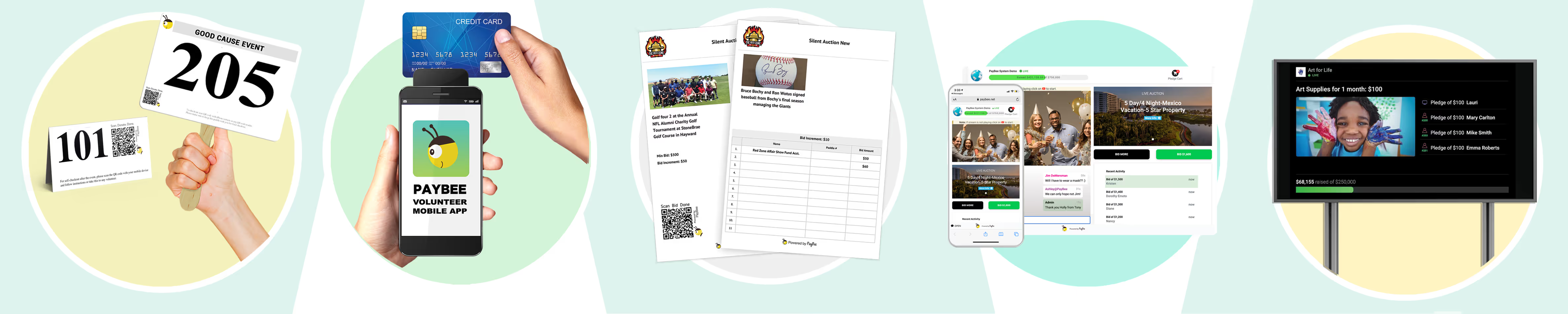
Paybee is the leader in nonprofit fundraising events with tools for virtual, hybrid and in-person events.